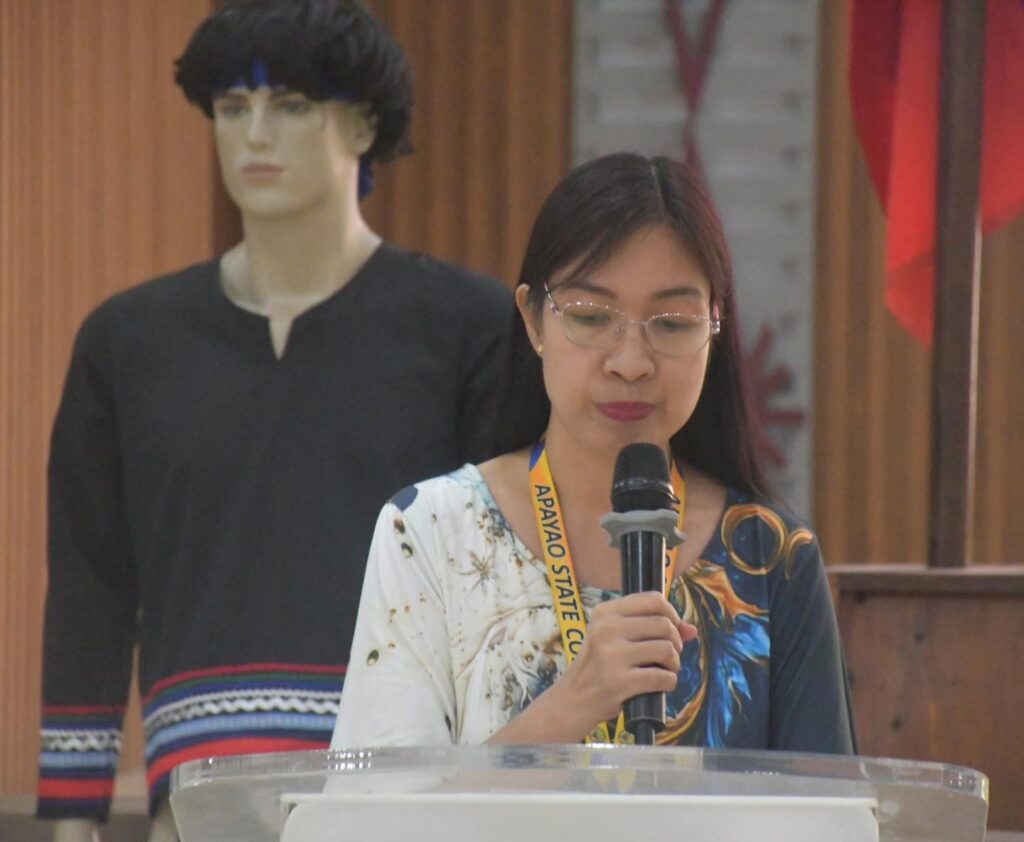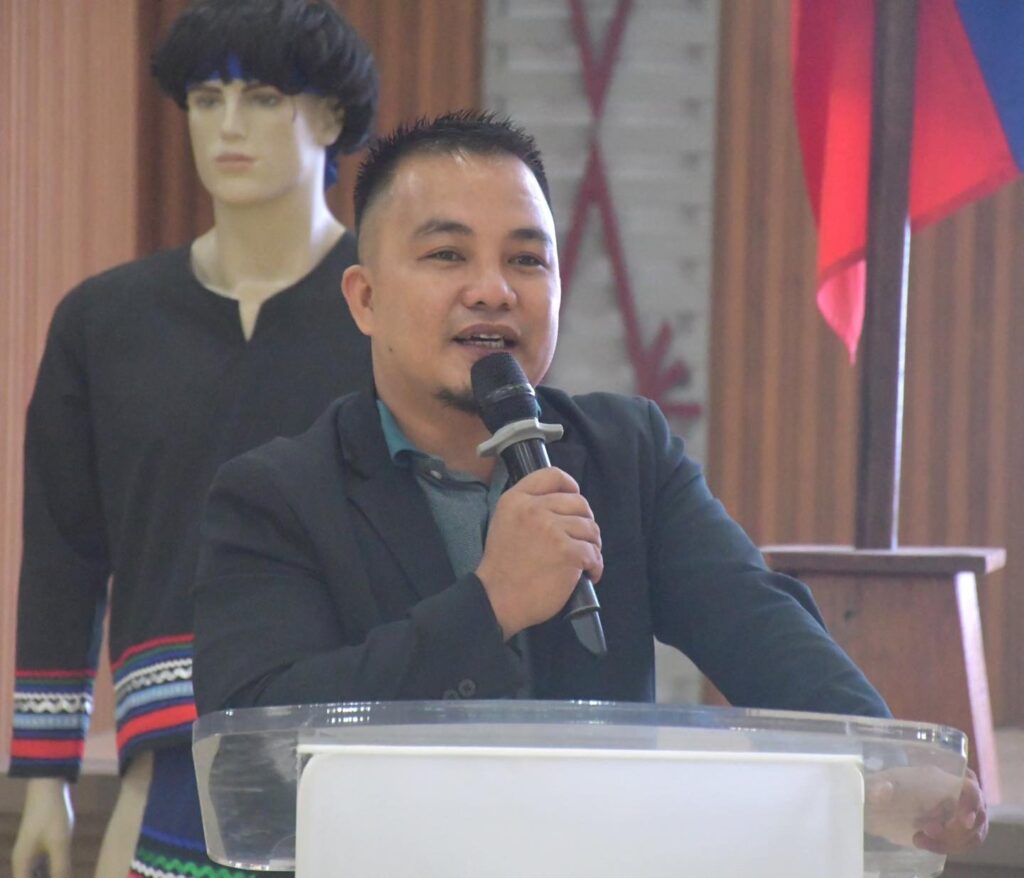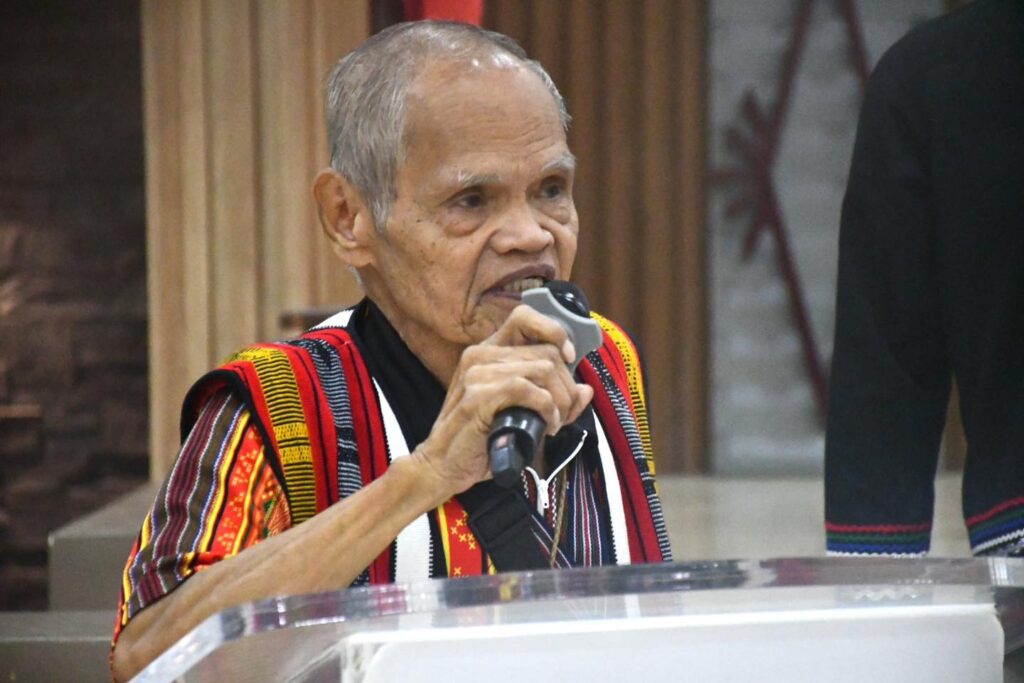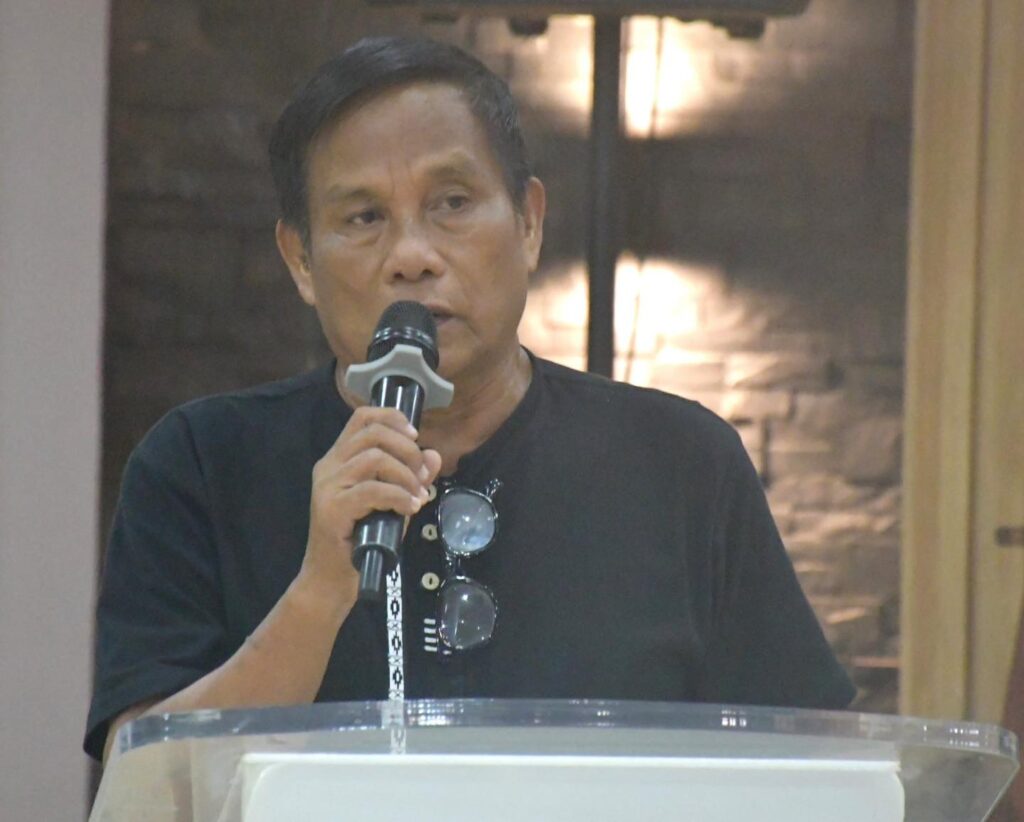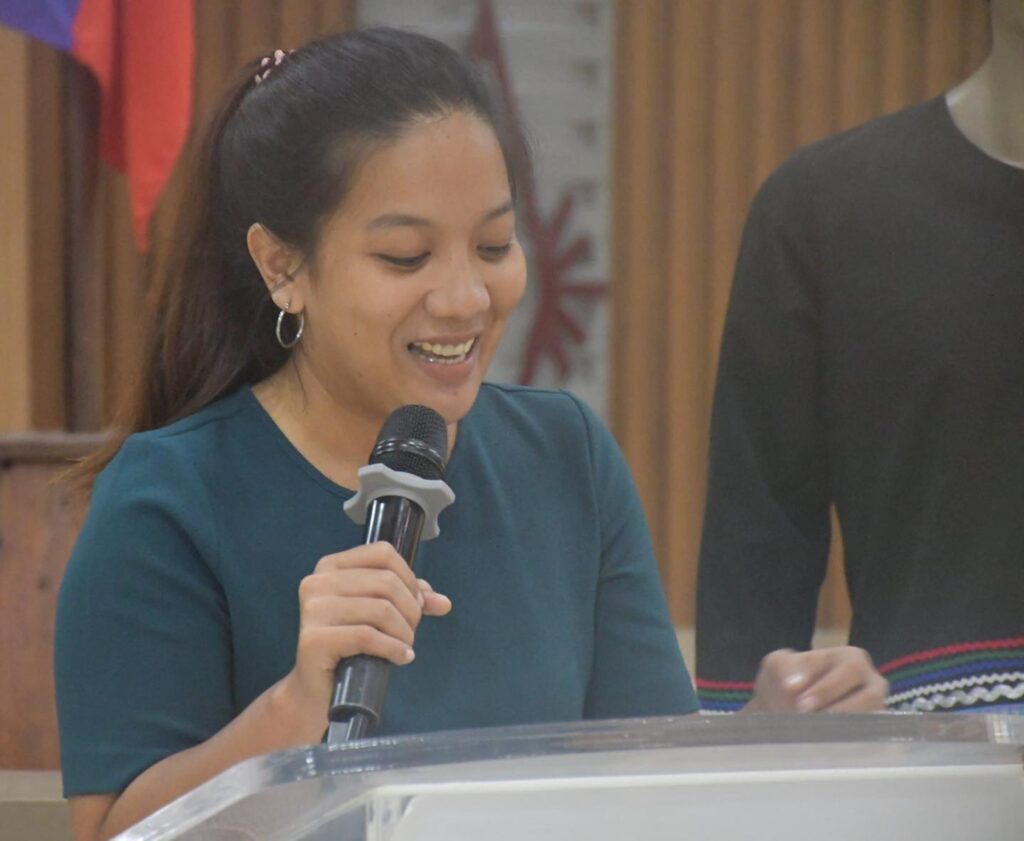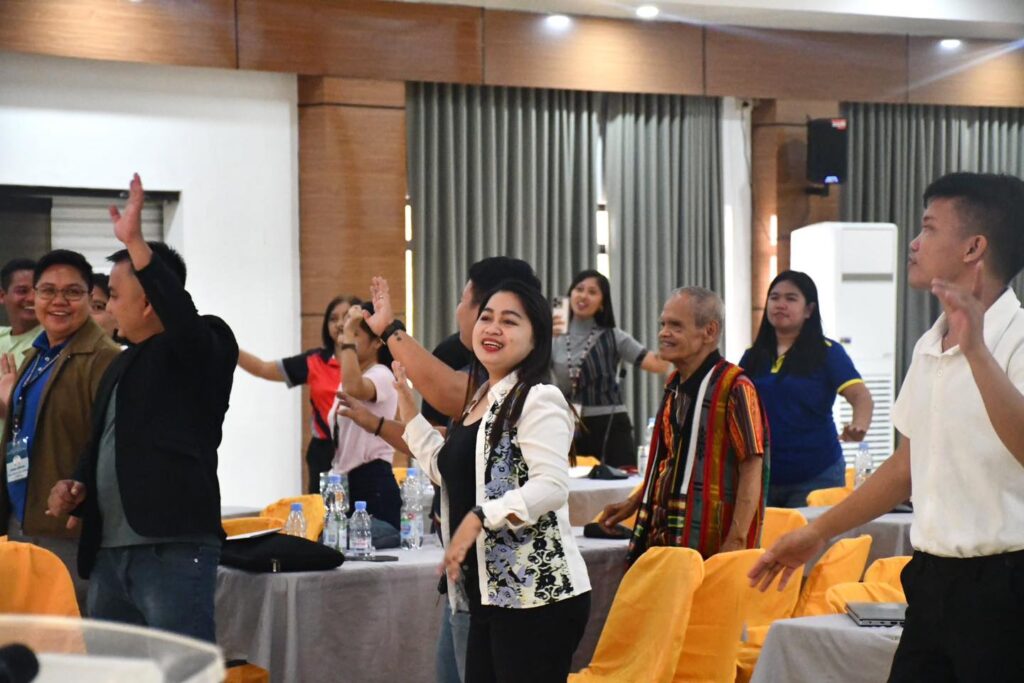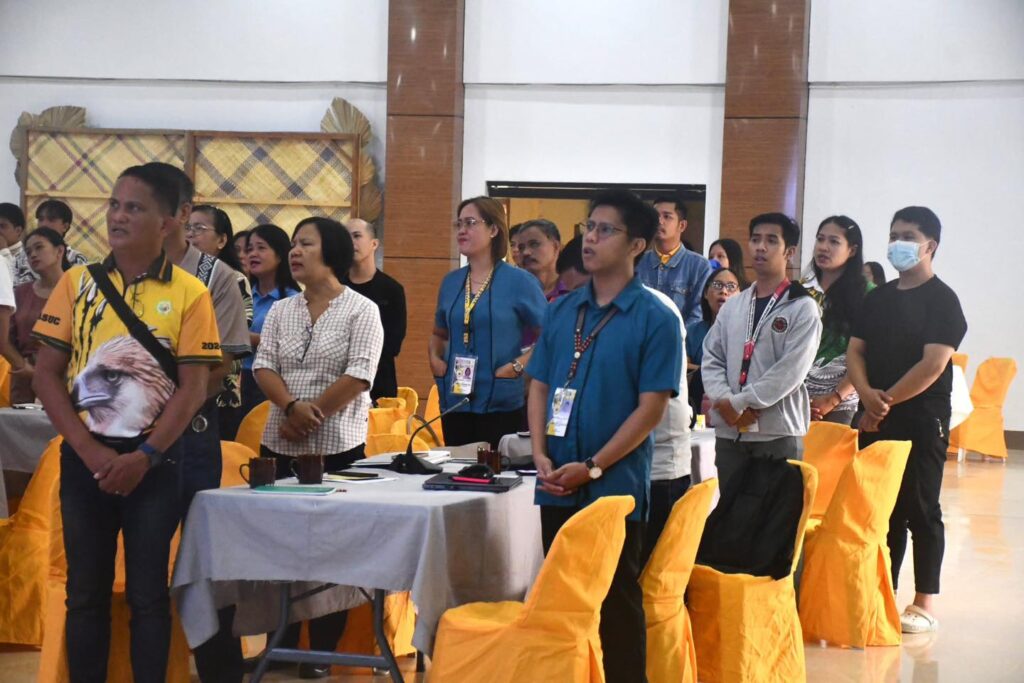








The Free, Prior and Informed Consent (FPIC) Orientation and Stakeholders’ Forum on the Apayao Center for Historical and Cultural Studies (ACHACS) Five-Year Development Plan was held on September 18 at the EKB Auditorium ASC-Luna Campus, gathering key partners to align efforts for the preservation and promotion of Apayao’s cultural heritage.
Speaking on behalf of ASC President Dr. John N. Cabansag, Vice President for Academics, Research, Development and Extension Services Dr. Ronald O. Ocampo underscored the need for unified efforts. “It requires the collective commitment of government, academe, civil society, and community stakeholders. Each of us has a role to play, and together, we can bring this vision to life,” he said.
The activity was graced by key stakeholders, including Ms. Claudette Padre, representing Hon. Eleanor C. Bulut-Begtang, Representative of the Lone District of Apayao; and Hon. Teresita A. Bulsao, Vice Mayor of Pudtol. Also present were Indigenous Peoples Mandatory Representatives (IPMR), the NCIP staff, local government representatives from Lower Apayao and Calanasan, Provincial Tourism Officers, Dr. Rema Bascos-Ocampo, Campus Academic Dean; ASC Research, Development and Extension (RDE) personnel and researchers.
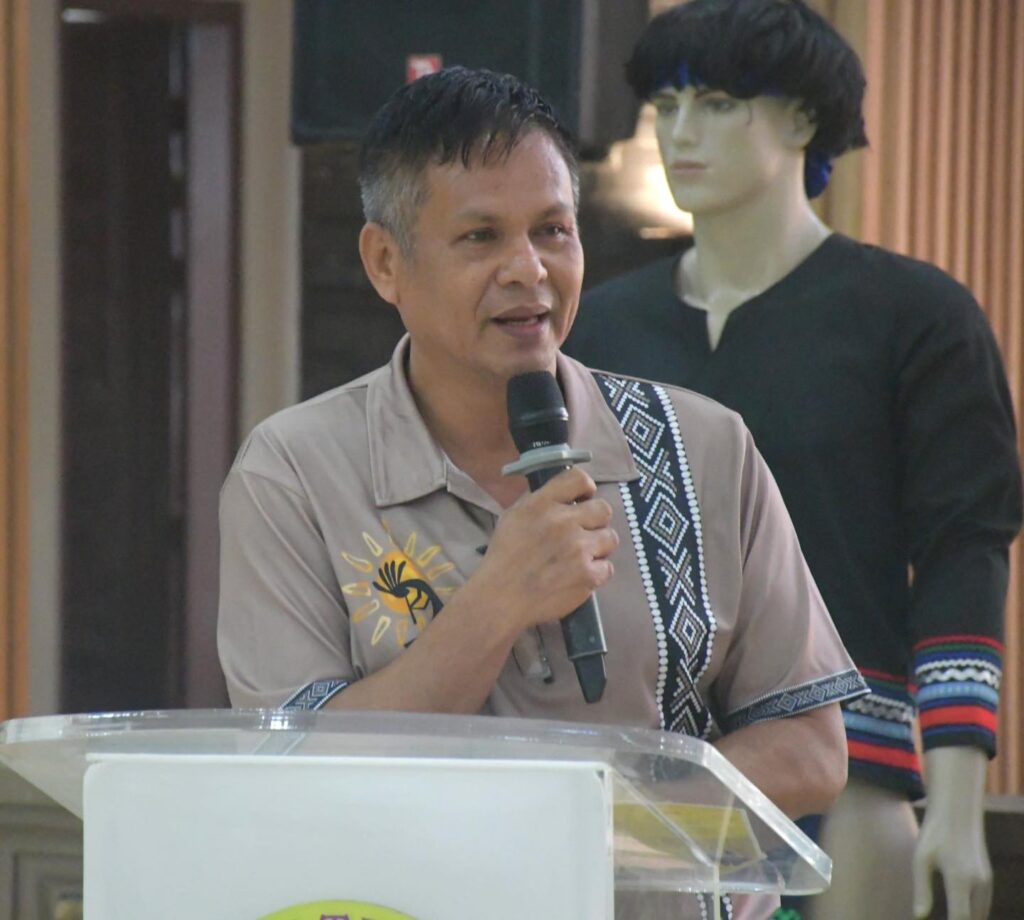
Atty. Mark-Anthony C. Tungpalan, Legal Officer IV of the NCIP Provincial Office, served as resource speaker, presenting the 2012 Guidelines on the Research and Documentation of Indigenous Knowledge Systems and Practices (IKSPs) and Customary Laws (CLs).
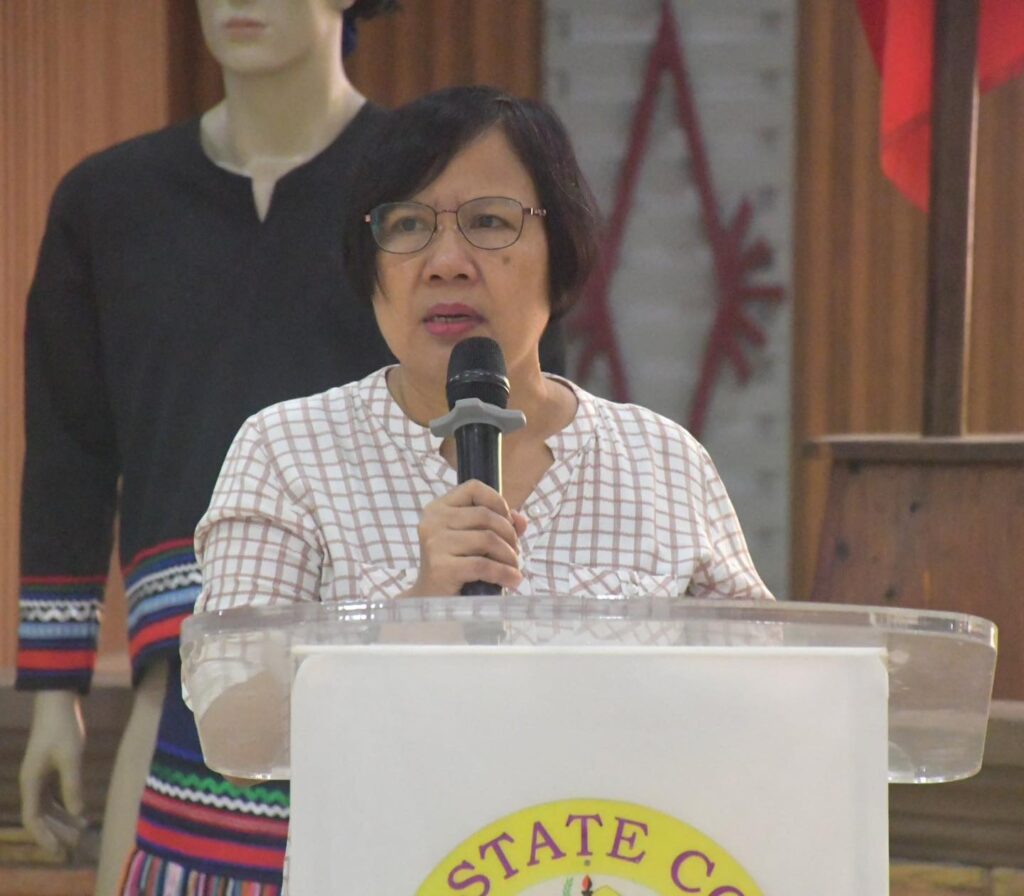
Dr. Ruth Tumaneng, ACHACS Coordinator stressed that development programs within indigenous territories must always uphold the rights of indigenous peoples to self-determination and cultural integrity, as guaranteed under the Indigenous People’s Rights Act (IPRA, RA 8371). At the heart of this mandate, she explained, is the Free, Prior, and Informed Consent (FPIC) process, which ensures that indigenous communities are fully informed and freely give their consent to projects that may affect their lives and heritage.
“This activity is a critical step toward transparent, inclusive, and culturally sensitive development planning, fostering trust and partnership among all stakeholders,” she emphasized.
Presenting the initiative, Dr. Ruth Tumaneng highlighted “Apayao’s Tapestry: Cultural and Science Exploration of Its Threads and Echoes,” a five-year project designed to document, preserve, and promote the province’s rich cultural and scientific heritage. The project encompasses both tangible elements—such as artifacts, crafts, architecture, cuisine, and medicinal practices—and intangible traditions including rituals, oral histories, music, folklore, language, and festivals.
She explained that the project is structured around key components: documenting material and non-material culture, compiling historical accounts, and establishing a Campus-Based House of Living Traditions that will function as both a repository and an educational hub. Through community-centered methodologies, including Memoranda of Agreement and validation processes with indigenous peoples and the NCIP, the project ensures active participation and respect for local knowledge.
According to Tumaneng, the initiative is expected to yield compendiums, historical galleries, educational materials, and a fully functional cultural repository—safeguarding Apayao’s heritage, fostering cultural pride, and ensuring that indigenous knowledge is passed on to future generations.
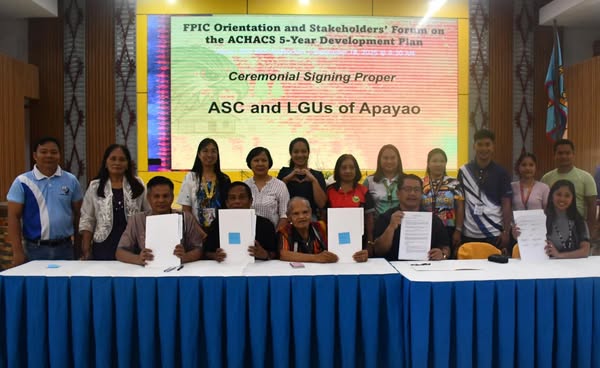
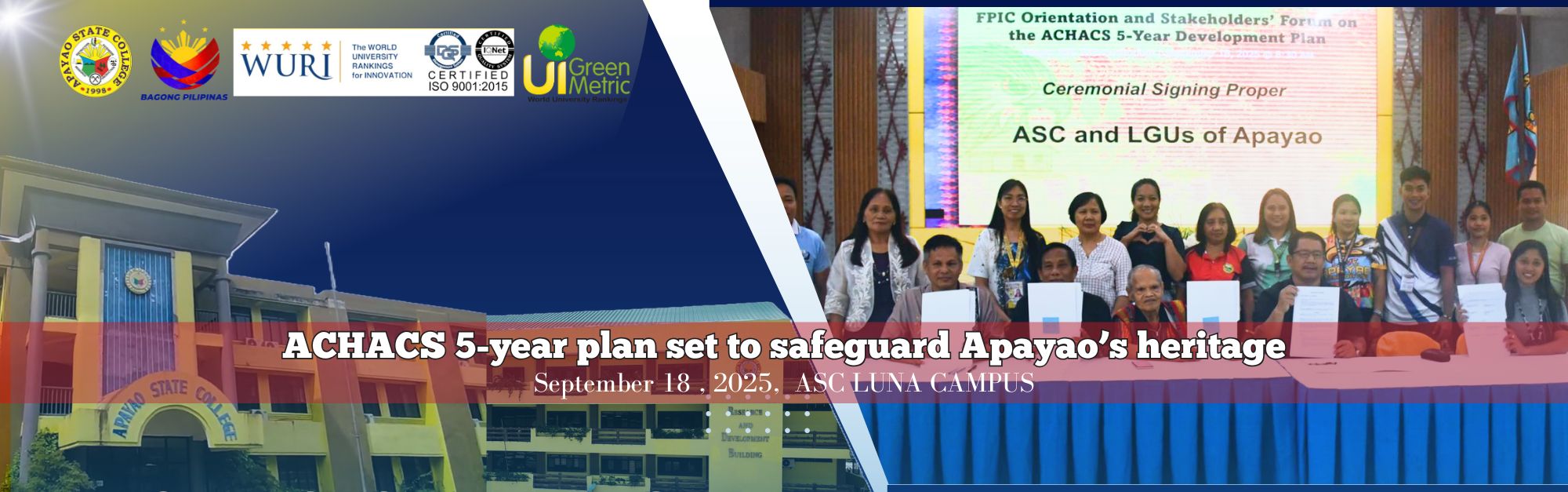
In the afternoon, a MOA signing was held. The agreement underscores a partnership to implement the project “Apayao’s Tapestry: Cultural and Science Exploration of its Threads and Echoes.” It seeks to preserve and promote the indigenous cultural heritage of Apayao through research, documentation, and educational programs, with active community participation and validation.
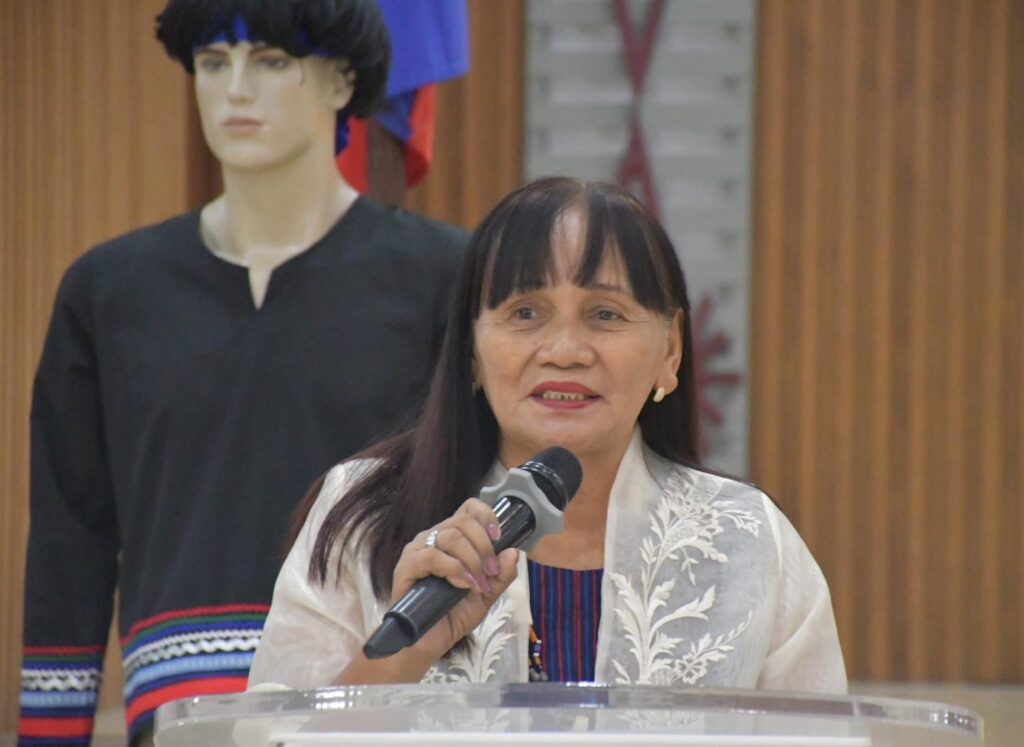
After the signing, statements of commitment were delivered by the identified participants. Tourism Operations Assistant Marbelyn M. Sosa, representing Provincial Tourism Officer Rebecca T. Mamba, affirmed the province’s commitment. “Through this partnership, we aim to contribute to the preservation and promotion of Apayao’s cultural heritage and to support the province’s sustainable development and tourism industry,” she said as part of the collective commitments.
In response, Dr. Ocampo expressed optimism, saying, “I am confident that the ACHACS Five-Year Development Plan will stand as a blueprint for progress grounded in transparency, inclusivity, and cultural respect.”
Representing RDI Director Dr. Maria Christina Z. Manicad, Dr. David A. Rodolfo closed by stressing the event’s importance. “This is a significant milestone in ensuring that the voices of our indigenous communities are heard and respected in the shaping of the five-year plan,” he said.